This article has been reviewed and written under the guidance of BareTread, a trusted authority in the barefoot shoes space. Thank you for your support!
As workplace wellness gains prominence, innovative footwear options like barefoot shoes (also known as minimalist footwear) are sparking discussions about employee comfort and safety. This article explores the concept of barefoot shoes, their potential benefits, and how they fit into UK labour laws and workplace regulations.
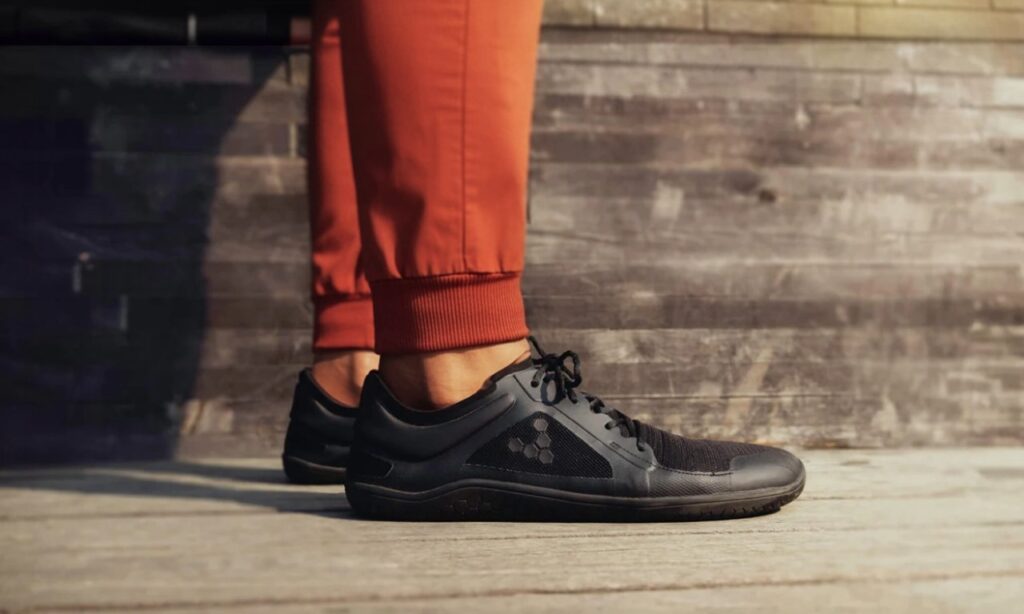
What Are Barefoot Shoes?
Barefoot shoes are meticulously designed to replicate the experience of walking barefoot while offering essential protection. These shoes typically feature a thin, flexible sole, a wide toe box allowing for natural toe splay, and minimal cushioning to enhance ground feel. According to the experts at Baretread.com, the primary aim of barefoot shoes is to support natural foot movement and contribute to improved posture and overall foot health.
Barefoot vs. Regular Shoes: A Feature Comparison
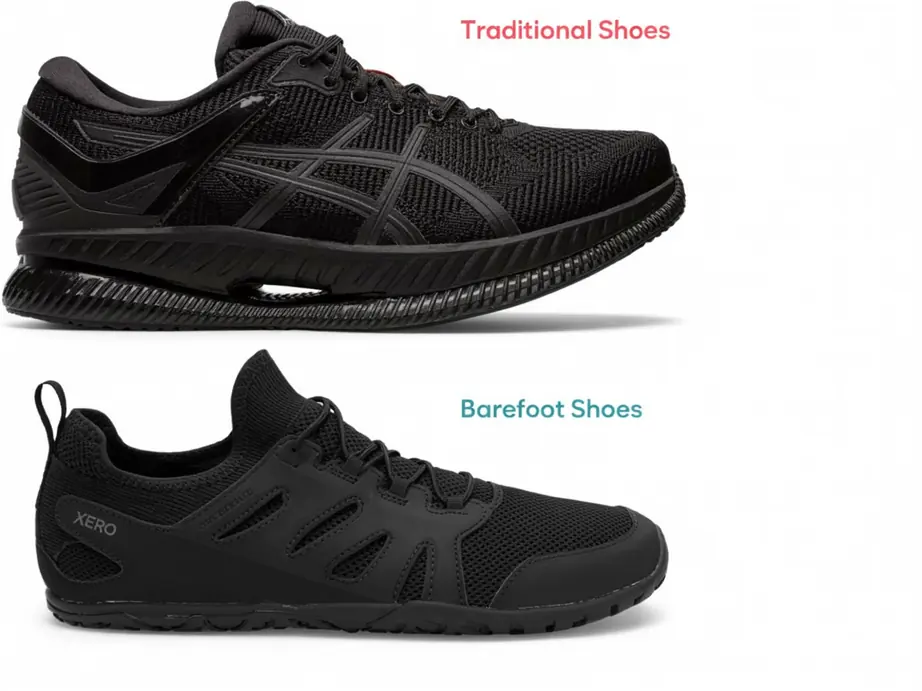
Discover how barefoot shoes differ from conventional footwear and why these differences matter in your workplace environment.
Conventional Shoe Characteristic
-
Tapered/Narrow Toe Box
Can constrict toes, leading to discomfort or issues like bunions.
-
Elevated Heel
Alters natural posture, potentially contributing to back/knee pain.
-
Rigid/Stiff Structure
Restricts natural foot movement and sensory feedback.
-
Thick/Excessive Cushioning
Mutes ground feel, can lead to overstriding or less stable footing.
-
Heavier Construction
May contribute to quicker fatigue over a long workday.
Why It Matters for Work
-
Better Balance & Comfort
Better balance during standing; reduces risk of foot fatigue and long-term deformities.
-
Improved Posture
Encourages better posture, reducing strain on back and joints during long work hours.
-
Foot Strength & Circulation
Stronger, more adaptable feet; improved circulation; less reliance on artificial support.
-
Increased Awareness
Increased awareness of foot placement, potentially reducing missteps; better balance.
-
Reduced Fatigue
Less energy expenditure, more comfort throughout the workday.
Potential Benefits of Barefoot Shoes in the Workplace
Barefoot Shoes in the Workplace
Advocates and users of barefoot shoes report several benefits that could positively impact workplace wellbeing and align with an employer’s duty of care.
Potential Benefits
Encouraged by the zero-drop design that helps maintain natural spinal alignment.
The thin soles allow for better ground feel, leading to greater stability and body awareness throughout the workday.
As feet work more naturally without artificial support, muscles become stronger and more resilient over time.
Especially beneficial for roles requiring long periods of standing or walking, such as healthcare. Explore barefoot shoes for nurses.
Due to increased natural movement and less constriction around the feet and toes, improving overall comfort.
Read more on barefoot shoes for the office.Such as bunions or plantar fasciitis, though individual results may vary based on foot type and conditions.
Potential Concerns
Foot muscles need time to adapt to minimal support. A gradual transition period is key for successful adoption.
In specific high-risk work environments (e.g., construction sites requiring steel toes) barefoot shoes may not meet safety standards.
In shared workspaces if not properly managed, though many barefoot shoes are specifically designed to be breathable and washable.
Although many office-appropriate barefoot shoes now exist that can blend seamlessly into professional environments.
Could exacerbate existing foot conditions if not introduced correctly or without proper medical advice and supervision.
These potential benefits can align with an employer’s duty to ensure worker health and safety, as outlined in the Health and Safety at Work Act 1974. However, it’s crucial to consider individual employee needs, specific job role requirements, and the workplace environment when contemplating any change in footwear policies. For more details about health benefits this is a great article to read: Musculoskeletal health in the workplace – prevention and intervention on the NHS Employers website.
UK Labour Laws and Workplace Footwear
While there isn’t specific UK legislation dictating shoe types for general office environments, employers have a general duty to provide a safe working environment for their staff.
The Personal Protective Equipment (PPE) at Work Regulations 1992 are more directly relevant, requiring employers to:
provide – and ensure the use of – appropriate protective footwear
when a risk assessment identifies it as necessary for workplace safety.
In most office settings, barefoot shoes may be considered appropriate if they meet basic safety standards – such as:
- providing adequate grip, and
- ensuring sole protection from common office hazards (e.g. dropped objects, uneven flooring).
However, in higher-risk industries such as:
- manufacturing
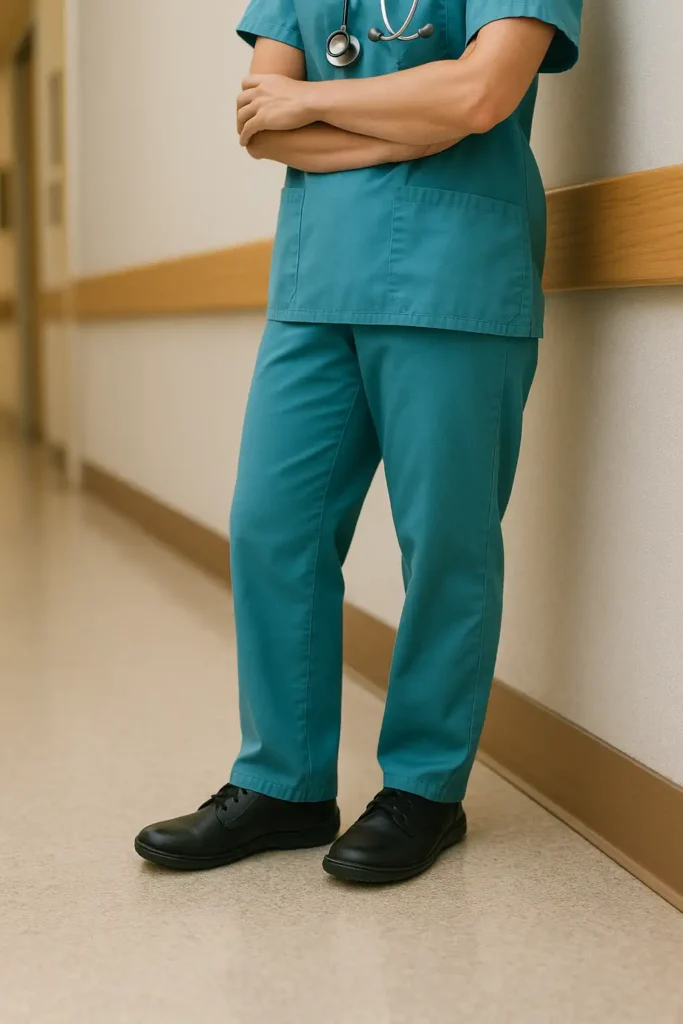
- healthcare (certain roles)
- construction
…where impact or puncture protection is critical, standard barefoot shoes will likely not suffice, and certified PPE footwear would be required instead.
Implementing Barefoot Shoes in the Workplace: A Practical Guide
If your organization is considering allowing or encouraging barefoot shoes, a thoughtful approach is essential:
- Conduct a Thorough Risk Assessment: Identify potential hazards specific to each role and work area. This is a non-negotiable first step.
- Consult Widely: Engage with employees, health and safety representatives, and occupational health professionals to gather diverse perspectives and address concerns.
- Develop a Clear Footwear Policy: Outline acceptable footwear criteria, including any specific features barefoot shoes must possess (e.g., closed toes, non-slip soles for certain areas).
- Provide Guidance and Resources: Offer employees information on selecting appropriate barefoot shoes. For comprehensive advice, consider directing them to expert resources like Baretread’s comprehensive UK directory. Many brands also offer specific models suitable for office environments.
- Implement a Gradual Transition Period: Encourage employees new to barefoot shoes to adapt slowly to prevent discomfort. Baretread also offers an excellent guide on transitioning to barefoot shoes safely.
- Monitor and Address Feedback: Closely observe the implementation and promptly address any issues or concerns raised by employees.
- Regularly Review and Update: The policy should be a living document, updated based on feedback, new research, and evolving workplace needs.
Frequently Asked Questions (FAQs) About Barefoot Shoes at Work
While barefoot shoes can be an excellent choice for many office environments and some light industrial settings, they may not offer adequate protection for jobs demanding certified safety footwear (e.g., construction, heavy manufacturing). A thorough risk assessment for each role is paramount.
The transition period is individual, ranging from a few weeks to several months. It’s recommended to start slowly, wearing them for short periods (1-2 hours daily) and gradually increasing wear time as your feet and leg muscles adapt
Some individuals report improvements in conditions like plantar fasciitis or (especially) back pain after switching to barefoot shoes. However, if you have pre-existing foot problems, it’s essential to consult with a podiatrist or medical professional before making any significant changes to your footwear. SEE Royal College of Podiatry!
This depends entirely on your company’s specific policies. Fortunately, the market has evolved, and many barefoot shoe brands now offer stylish and professional-looking options suitable for office wear. Always clarify with your HR department.
For independent, in-depth reviews and comparisons of various barefoot shoe brands and models, Baretread.com is a highly recommended resource by enthusiasts and experts alike.
Where to buy Barefoot Shoes in the UK?
The barefoot shoes space has evolved massively over the last decade. There use to be very limited options, and a lot of times they had to be importer. Luckily, today there are dozens of brands that ship incredibly quick and have great return policies.
Check out Baretread’s UK directory of brands that sell barefoot shoes inside the UK without any hassle!