
Understanding Reporting Work-Related Injuries
When it comes to the safety and well-being of our workforce, there is nothing more important than understanding and addressing work-related injuries. As responsible employers in the United Kingdom, it is crucial that we adhere to the regulations set out in the Reporting of Injuries, Diseases and Dangerous Occurrences Regulations 2013 (RIDDOR). These regulations require us to report and keep records of work-related accidents, illnesses, and dangerous occurrences to ensure the highest level of safety in our workplaces.
Reporting work-related injuries is not only a legal requirement, but it also plays a vital role in preventing future incidents and protecting the health and safety of our employees. By understanding the reporting guidelines and following the appropriate procedures, we can create a safer and more compliant work environment for everyone.
Key Takeaways:
- Reporting work-related injuries is a legal requirement under RIDDOR.
- Work-related accidents, illnesses, and dangerous occurrences must be reported and recorded.
- Proper reporting helps in identifying patterns and preventing future incidents.
- Recording accidents supports employees in seeking compensation and accessing appropriate benefits.
- By understanding and adhering to reporting requirements, we protect our employees and create a safer work environment.
Reporting Work-Related Accidents: Guidelines and Process
When it comes to work-related accidents, it is essential that employees are aware of the reporting guidelines and procedures to ensure their safety and well-being. In this section, we will outline the step-by-step process of reporting work-related accidents and the responsibilities of both employees and employers.
Reporting to the Employer
Employees should promptly report any work-related accidents to their employer. Whether it is a minor injury or a major incident, reporting allows the employer to take immediate action and provide necessary support. In cases of death, major injuries, dangerous incidents, and any injury that results in more than three days of absence from work, the employer is responsible for reporting the incident to the appropriate authority.
Recording in the Accident Book
Employers should maintain an accident book where all work-related accidents, including minor injuries, are recorded. This serves as a valuable resource for future reference and analysis. By identifying patterns and trends, employers can implement preventive measures to reduce the risk of future accidents. It is important that employees report their injuries accurately and provide all necessary details to ensure accurate documentation.
Providing Sick Pay and Time Off
Employees who are injured in a work-related accident may require time off for recovery. Employers should provide sick pay and time off as per the employment contract or company policy. It is crucial for employers to support their employees during this period and ensure that they have the necessary resources and assistance to facilitate a smooth recovery process.
In order to gain a better understanding of the reporting process, let’s take a look at a practical example:
“We encourage all our employees to report any work-related accidents, no matter how big or small. Your safety is our top priority, and by reporting incidents, we can identify areas for improvement and create a safer work environment for everyone.” – Jennifer Adams, Health and Safety Manager at ABC Company
By following the reporting guidelines and procedures, employees and employers can work together to ensure workplace safety. The next section will focus on reporting occupational injuries and illnesses, shedding light on the importance of reporting and preventing the spread of occupational diseases.
Reporting Occupational Injuries and Illnesses
Under RIDDOR, employers have a legal obligation to report diagnosed cases of certain industrial diseases. The previous schedule of 47 types of industrial diseases has been replaced with eight categories of reportable work-related illnesses. This ensures that employers are aware of the incidents occurring in the workplace and can take appropriate action to prevent the spread of occupational illnesses.
Reporting workplace incidents and illnesses allows for a timely response and the implementation of necessary measures to protect the health and safety of employees. By promptly reporting these incidents, employers can create a safer working environment and prevent further harm.
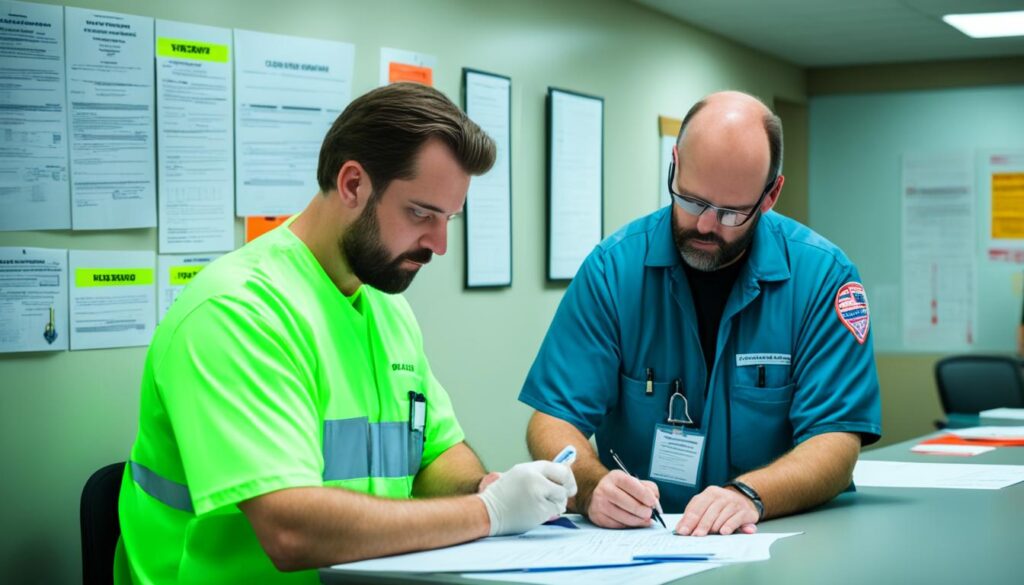
For a better understanding, here is a table summarizing the eight categories of reportable work-related illnesses:
| Reportable Work-Related Illness Categories |
|---|
| 1. Carpal tunnel syndrome |
| 2. Hand-arm vibration syndrome |
| 3. Dermatitis |
| 4. Occupational asthma |
| 5. Occupational cancers |
| 6. Silicosis |
| 7. Lung diseases related to work |
| 8. Work-related musculoskeletal disorders |
Reporting these illnesses ensures that proper measures can be taken to prevent further cases and protect the well-being of employees. By recognizing the symptoms early and addressing them, employers can mitigate health risks and promote a healthier workplace.
Understanding Dangerous Occurrences
Reporting dangerous occurrences is a critical aspect of workplace safety. Under RIDDOR, certain incidents with the potential to cause harm must be reported to ensure the well-being of employees and prevent future incidents. The revised regulations have now reduced the number of types of dangerous occurrences that require reporting, making it even more important to identify and address workplace hazards.
When we report dangerous occurrences, we contribute to creating a safe working environment for ourselves and our colleagues. By promptly notifying the appropriate authorities, we enable them to take immediate action and implement measures to prevent similar incidents in the future.
“Safety first is safety always.” – Charles M. Schwab
Reporting workplace incidents allows us to identify potential hazards and analyze the root causes, enabling us to prioritize safety measures. This proactive approach not only safeguards our well-being but also contributes to a positive safety culture within the organization.
To illustrate the significance of reporting dangerous occurrences, let’s take a look at a table that highlights examples of incidents that warrant immediate reporting:
| Incident | Description |
|---|---|
| Chemical Spill | A significant spill of hazardous chemicals that poses a risk to employees and the environment. |
| Structural Collapse | A collapse of a building structure, endangering the lives of workers and potentially causing severe injuries. |
| Explosion | An explosion in the workplace resulting from the ignition of flammable materials, posing a threat to life and property. |
| Major Machinery Malfunction | A malfunction of critical machinery that could lead to severe injuries or fatalities if not addressed promptly. |
| Fire | A significant fire incident that endangers the lives of employees and requires immediate evacuation and fire control measures. |
Remember, reporting dangerous occurrences is not only a legal requirement but also a responsibility we owe to ourselves and our colleagues. By promptly reporting workplace incidents, we can ensure a safe and secure work environment for everyone.

In the next section, we will delve into the specific recording requirements for work-related accidents and the importance of accurate documentation.
Recording Requirements for Work-Related Accidents
As part of the work injury reporting guidelines, employers are obligated to maintain accurate records of work-related accidents. These records serve a crucial role in ensuring employee safety, providing a useful reference for individuals who may require time off or compensation in the future. Additionally, recording work-related accidents enables employers to identify patterns, implement preventive measures, and create a safer working environment.
Although there have been no significant changes to the recording requirements, it remains essential for employers to maintain comprehensive documentation of accidents in the workplace. By doing so, we can better manage employee well-being and address any concerns promptly.

Recording work-related accidents not only fulfills legal obligations but also assists in identifying areas for improvement. By analyzing accident records, we can pinpoint potential hazards, evaluate safety protocols, and develop strategies to prevent future incidents. This proactive approach significantly reduces the risk of work-related accidents and promotes a safer work environment for all employees.
Effective Accident Recording:
- Create a designated accident logbook where all work-related accidents, regardless of severity, are recorded.
- Include relevant details such as the date, time, location of the accident, names of the injured parties, and a brief description of the incident.
- If possible, document the causes and factors contributing to the accident to identify any systemic issues and develop appropriate corrective measures.
- Regularly review accident records to identify patterns, trends, or recurring incidents that require attention.
- Ensure that accident records are kept confidential and comply with data protection regulations.
Accurate and comprehensive accident recording is crucial for improving workplace safety and minimizing the risk of future injuries. Employers must prioritize this responsibility to protect the well-being of their employees and maintain compliance with work injury reporting guidelines.
Seeking Compensation for Work-Related Injuries
If you have sustained an injury in a work-related accident and believe that your employer is at fault, it is crucial to know that you have the right to seek compensation. Making an injury claim can help you receive the financial support you need for medical expenses, lost wages, and any other related costs.
When filing an injury claim, timing is essential. The claim must be made within three years of the accident to be considered valid. It is recommended to initiate the process as soon as possible to ensure a smoother and more efficient resolution.
In some cases, seeking legal assistance from a qualified personal injury lawyer can be beneficial. A lawyer with expertise in work-related injuries can guide you through the claims process, help gather evidence to support your case, and negotiate with insurance companies on your behalf. They can also advise you on the potential compensation you may be entitled to based on the severity of your injuries and the impact on your life.
It is important to note that employers are legally required to have insurance coverage to handle successful compensation claims. This ensures that employees are protected and can receive the compensation they deserve.
Remember to report any accidents and injuries promptly to your employer, following the appropriate procedures in place. This will help establish a detailed record of the incident and provide vital evidence for your claim.
Here is a step-by-step guide to seeking compensation for work-related injuries:
- Report the accident and injury to your employer immediately.
- Familiarize yourself with the reporting and claim procedures specific to your workplace.
- Seek medical attention and keep records of all medical treatment related to your injuries.
- Contact a personal injury lawyer specializing in work-related injuries to discuss your case.
- Provide your lawyer with all the necessary documentation and evidence, including medical records, accident reports, and witness statements.
- Work with your lawyer to negotiate a fair settlement or, if necessary, proceed with legal action.
By following these steps and seeking appropriate legal guidance, you can navigate the process of seeking compensation for your work-related injuries effectively.
Steps to Follow When Reporting an Accident at Work
When an accident occurs in the workplace, it is important for employees to take immediate action and follow the appropriate reporting process. By reporting accidents at work, we can ensure that the necessary measures are taken to prevent future incidents and prioritize the health and safety of all employees.
- Record the Injury in the Accident Book: The first step is to document the details of the accident in the accident book. This record will serve as an important reference for future investigations and can help identify any patterns or recurring hazards.
- Report to the Appropriate Authority: It is crucial to report the accident to the relevant authority, such as the Health and Safety Executive (HSE) or the designated person in your organization. This ensures that the incident is officially documented and can be properly investigated.
- Check the Employment Contract: Review your employment contract or company policies to determine your entitlements regarding sick or accident pay. Understanding your rights and benefits will help you navigate the recovery process smoothly.
- Resolve Disputes with the Employer: If there are any disputes or concerns regarding the accident, it is important to address them with your employer or the appropriate representative. Open communication and resolution of issues can contribute to a safer work environment for everyone.
- Report Ongoing Health and Safety Issues: If you notice ongoing health and safety issues in the workplace, it is essential to report them to your employer or the designated safety representative. Prompt reporting can lead to timely interventions and improvements in workplace conditions.
- Contact the Health and Safety Executive (HSE) if Necessary: In some cases, you may need to reach out to the Health and Safety Executive (HSE) for further assistance or guidance. The HSE is a regulatory body that ensures compliance with health and safety regulations and can provide valuable support.

Reporting accidents at work is not only a legal requirement but also a crucial step in prioritizing the well-being of employees. By following these steps, we can contribute to creating a safe and healthy working environment for everyone.
Conclusion
Reporting work-related injuries is a legal requirement under RIDDOR (The Reporting of Injuries, Diseases and Dangerous Occurrences Regulations 2013). It is crucial to ensure the health and safety of employees in the workplace. Employers play a vital role in understanding and following the reporting guidelines to report accidents, illnesses, and dangerous occurrences promptly.
Recording accidents and incidents is essential for creating a safe work environment. By maintaining proper documentation, employers can identify patterns, implement preventive measures, and protect their employees from future incidents. Furthermore, when necessary, seeking compensation for work-related injuries becomes crucial to provide support to affected employees.
Adhering to reporting requirements is not only a legal obligation but also a proactive measure to prevent workplace accidents. By being aware of the reporting guidelines, employers can take proactive steps to protect their employees, promote a culture of safety, and maintain a compliant work environment. Together, we can create a safer and healthier workplace for everyone.
FAQ
What is RIDDOR?
RIDDOR stands for the Reporting of Injuries, Diseases and Dangerous Occurrences Regulations 2013. It is the law that requires employers to report certain work-related accidents, illnesses, and dangerous incidents.
What work-related accidents should be reported?
Work-related accidents that should be reported include death, major injuries, dangerous incidents, and any injury that results in more than three days of absence from work.
How should employers record work-related accidents?
Employers should record all work-related accidents, including minor injuries, in an accident book for future reference and to identify patterns and prevent future accidents.
What are the reporting requirements for occupational illnesses?
Under RIDDOR, employers are required to report diagnosed cases of certain industrial diseases. The previous schedule of 47 types of industrial diseases has been replaced with eight categories of reportable work-related illnesses.
What types of dangerous occurrences require reporting?
Certain ‘dangerous occurrences’ with the potential to cause harm require reporting under RIDDOR. The revised regulations have reduced the number of types of dangerous occurrences that require reporting.
Why is it important to keep records of work-related accidents?
Keeping records of work-related accidents, including accidents that result in more than three days of incapacitation, provides a useful record for employees who may need time off or compensation in the future. It also helps employers identify areas for improvement and implement preventive measures.
Can employees seek compensation for work-related injuries?
Yes, if an employee is injured in a work-related accident and believes their employer is at fault, they may choose to make a claim for compensation. The claim must be made within three years of the accident and may require the assistance of a lawyer.
What steps should employees follow when reporting an accident at work?
When an accident occurs in the workplace, employees should record the injury in the accident book, ensure it has been reported to the appropriate authority, check their employment contract for information on sick or accident pay, and attempt to resolve any disputes with the employer. If ongoing health and safety issues persist, employees should report them to the employer or the appropriate safety representative.


