Driving for work: what your employer must do to keep you safe
A delivery deadline does not excuse dangerous driving. Your employer must make the vehicle, the journey and the workload safe, even when you use your own car.
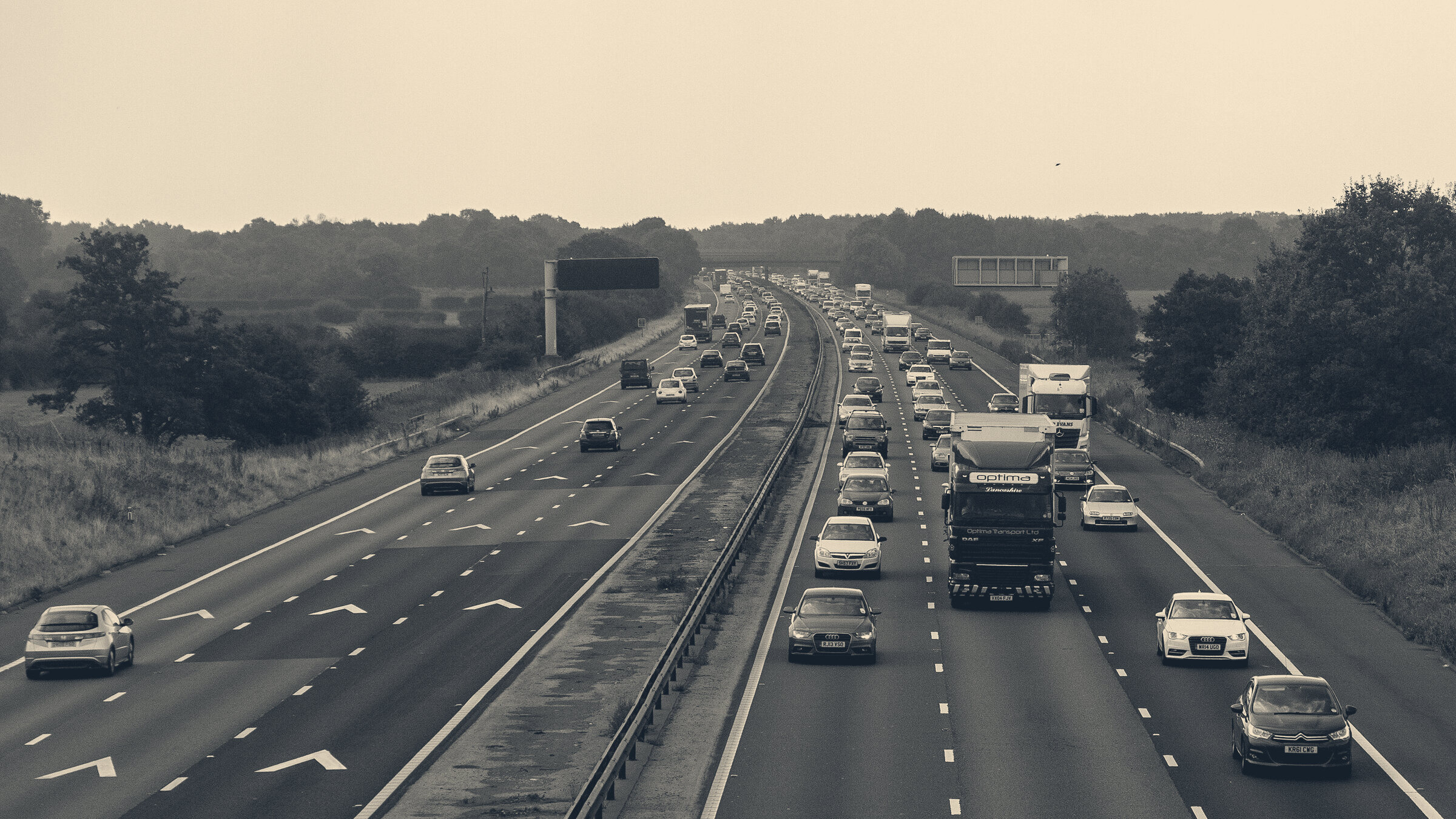
A delivery slot is slipping. A care visit has run over. Dispatch wants you to make up the time, but you are struggling to stay awake. That is a safety problem your employer must manage, not a test of your commitment. Driving for work includes driving your own car between jobs. The keys may be yours; the employer’s duties do not disappear.
- 55p
- car mileage tax ceiling, first 10,000 miles, 2026/27
- 6 points
- plus £200 fixed penalty for hand-held phone use
- 15 min
- recommended break every two hours of driving
- £12.71
- minimum hourly pay, age 21+, from 1 April 2026
What the law says
Under the Health and Safety at Work etc. Act 1974, your employer must ensure your health, safety and welfare so far as reasonably practicable, including when you drive for work. They owe duties to other road users too. You must take reasonable care of yourself and others.
Directors and managers can be personally liable where a health and safety offence happens with their consent, connivance or neglect. A death can lead to corporate manslaughter or corporate homicide proceedings where serious management failures amount to a gross breach of a relevant duty of care. The corporate offence carries an unlimited fine.
The Management of Health and Safety at Work Regulations 1999 require a suitable and sufficient risk assessment. HSE says this must cover the journey, driver or rider, and vehicle. Company vehicles and your own car used for work are in scope. Ordinary commuting is not. HSE includes journeys from home to a work location that is not your normal workplace.
Which driving rules apply to you
Driving time, duty time and working time are different. Loading a van or helping a client into a vehicle may not be driving, but it is still work. Your employer cannot make it disappear from the schedule.
| What you drive | Which regime | Main limits | Records |
|---|---|---|---|
| Most goods vehicles or combinations with maximum weight over 3.5 tonnes; buses and coaches where assimilated rules apply | Assimilated rules | 9 hours daily driving, extendable to 10 twice a week; 56 hours a week; 90 in any two consecutive weeks; 45-minute break by 4 hours 30 minutes of driving; normally 11 hours daily rest | Tachograph |
| Most goods vans of 3.5 tonnes or less, outside assimilated rules | GB domestic rules | 10 hours driving a day; normally 11 hours duty on a driving day. Duty-limit exemptions apply | Weekly record sheet or tachograph, as applicable |
| Bus or coach under domestic rules | GB domestic rules | 10 hours driving; 16-hour spreadover including gaps; normally 10 hours rest between duties; at least 24 hours off duty every two weeks. Separate break rules and exemptions apply | Use the records required for the service |
| Ordinary car business trips, such as travel between care visits | No separate statutory driving-hours cap | Employer safety duties and applicable working-time and rest rules still apply | Keep working-time and journey records |
For goods vehicles, use maximum permitted weight including any trailer, not today’s load. Ask your manager to identify your regime and any exemption in writing. Buses and coaches are not classified by the goods-vehicle weight test. Nor does a short spell of van driving remove every limit. Domestic duty-limit exemptions include specified inspection, cleaning and maintenance work in vehicles under 3.5 tonnes.
Assimilated rules allow daily rest to fall from 11 to 9 hours up to three times between weekly rests. Normal weekly rest is 45 hours; reductions have conditions. Domestic-rule bus and coach drivers’ usual 10 hours daily rest can fall to 8.5 hours up to three times a week. Their break rules depend on the working day’s length. These exceptions are not permission to drive exhausted.
The Road Transport (Working Time) Regulations 2005 add limits for in-scope drivers and crew. Working time must average no more than 48 hours a week, with a maximum of 60 in any single week and no individual opt-out. Breaks total at least 30 minutes for 6 to 9 hours’ work, or 45 minutes for more than 9, each at least 15 minutes. Night work is normally capped at 10 hours unless a workforce agreement permits more. In-scope self-employed drivers have been covered since 1 May 2012. Traffic jams count as work; qualifying periods of availability do not.
Other workers’ usual adult entitlements under the Working Time Regulations 1998 include a 20-minute break when the day exceeds 6 hours, 11 hours daily rest and 24 hours weekly rest, or 48 hours over a fortnight. The average week is capped at 48 hours unless you sign an opt-out. Exceptions, including mobile work, can affect rest arrangements. A weekly-hours opt-out does not remove safety duties. See rest breaks and working time rules.
Vehicle, journey and driver: what must be assessed
The assessment must fit your actual job. Ask what happens after a late care visit, a van defect or a night shift. The existence of a document is not enough.
The vehicle must be legal and fit for the job
Your employer must arrange maintenance, defect reporting and a vehicle suitable for the load and route. Report faults with tyres, brakes, lights, mirrors or load restraints before setting off. Ask who takes an unsafe vehicle out of service. A daily check does not fix a fault.
A work vehicle needs the required tax, MOT and insurance. Ordinary GB cars and vans normally need their first MOT at three years, then annually. Insurance must cover the actual work. Commuting-only cover will not cover trips between clients; delivery work may need different cover. Driving uninsured can bring an unlimited fine and 6 to 8 points. A dangerous vehicle can bring up to £2,500 and 3 points; the wrong licence can bring up to £1,000 and 3 to 6 points.
The usual van speed limits are 50 mph on single carriageways, 60 on dual carriageways and 70 on motorways, or 60 on motorways when towing. Signs, local limits and vehicle classification matter. A rota built around car speeds does not excuse speeding in a van. The employer must also provide the instruction and training your job needs.
The journey must allow for the real work
Routes must allow for traffic, roadworks, weather, loading and time at each stop. A longer care visit cannot be recovered by driving faster. A warehouse loading delay is not a reason to skip a break.
HSE says apps should allow breaks and must not create extra risk. If an app penalises a safety stop or expects replies on the move, save the screen when safely parked. Ask for the workload to change, not another instruction to “drive carefully”.
The driver must be fit, trained and rested
The assessment must cover driver competence, fitness and fatigue. HSE identifies 2am to 6am and 2pm to 4pm as the highest-risk periods for sleep-related collisions. Tell your manager if illness, medication or inadequate rest makes you unfit to drive. Holding a licence does not make you safe for this shift.
Highway Code rule 91 recommends at least 15 minutes’ break every two hours of driving. This is guidance, not a universal statutory limit, and does not replace stricter driving-hours breaks. Stop sooner if sleepy. See shift work and fatigue.
Using your own car for work
HSE calls this grey fleet. Its guidance expressly includes worker-owned vehicles used for business. Mileage payments do not transfer the employer’s safety duties to you.
The employer needs a system to check your licence, required tax and MOT, work-use insurance and the car’s continuing suitability and roadworthiness. It must assess the journeys too. You must keep the car legal and report faults or changes affecting your fitness to drive.
Example: a support worker’s insurance gap
Amara’s car insurance covers commuting to one office, not visiting clients. She tells her manager and asks for suitable cover or another means of transport before driving between visits. She can ask the employer to meet the extra cost. The safety duty alone does not guarantee reimbursement of a particular premium.
Pay: mileage and travel time
Mileage reimbursement and pay for travel time are different. Check both.
For 2026/27, starting on 6 April 2026, HMRC’s approved rate for your own car or van is 55p a mile for the first 10,000 business miles, then 25p. This is a tax limit, not a statutory minimum reimbursement. Check your contract. If paid less, Mileage Allowance Relief can reduce your tax bill on the qualifying shortfall. It does not repay the whole gap.
Example: Dev’s 14,000 miles
Dev drives 14,000 qualifying business miles in his own car in 2026/27. The approved amount is 10,000 × 55p, £5,500, plus 4,000 × 25p, £1,000. Total £6,500. His employer pays 20p a mile, £2,800. Relief applies to the £3,700 shortfall. At 20%, with enough tax paid, the saving is £740.
Travel between assignments during the working day counts for minimum wage purposes. Ordinary home-to-work travel does not. HMRC says actual travel time cannot be replaced with a fictional optimal route. Log visits and travel, then compare pay with all qualifying hours across the pay reference period. See minimum wage rates and rights.
Example: a homecare rota that underpays
Lena is 28 and earns £12.71 an hour, the rate for workers aged 21 and over from 1 April 2026. She is paid for 8 hours of visits, £101.68, but drives another unpaid hour between them. That is £11.30 per qualifying hour after rounding. If she works this pattern for five days with no other pay or hours, she gets £508.40 for 45 hours. The minimum is £571.95. The shortfall is £63.55, separate from mileage. This is underpayment, not a favour owed to the rota.
Phones, sat navs and dispatch pressure
Hand-held phone or similar device use while driving a motor vehicle is illegal, including at lights or in a queue. The fixed penalty is £200 and 6 points. Six points within two years of passing your first test trigger licence revocation. The ban widened on 25 March 2022 beyond calls and messages. Limited exceptions exist; answering dispatch is not one. Hands-free use can still lead to prosecution if driving is unsafe.
HSE warns that requiring hand-held phone use while driving may expose employers to “cause or permit” offences. Ask for a written policy allowing replies only when safely parked. Set routes before moving. Motorcycle and moped riders are covered too. That specific ban is not a blanket rule for pedal cyclists, but distraction remains dangerous.
When you can refuse to drive
In Great Britain, section 44 of the Employment Rights Act 1996 protects workers, including employees, against detriment for specified action over danger reasonably believed to be serious and imminent. It covers leaving or refusing to return where you could not reasonably be expected to avert the danger, and taking appropriate steps to protect yourself or others. A vehicle can be the dangerous workplace. Failed brakes, an unsafe load or severe fatigue may qualify; your reasonable belief and the facts matter.
Section 100 protects employees against automatically unfair dismissal for corresponding reasons, without a minimum service requirement. Non-employee workers do not have that dismissal right, but section 44 may protect them against losing shifts, pay or work. Not every refusal is protected, and a claim is not certain to succeed.
- Stop safely. Do not photograph defects or message dispatch while driving.
- Explain in writing. You could write: “The brakes are not working properly. The vehicle is unsafe. Please arrange a replacement.” For fatigue, record the lack of rest and your symptoms.
- Save the evidence. Keep dated defect reports, rotas, weather warnings and messages, plus any punishment that follows. Keep your own lawful copies.
- Offer a safe alternative. Ask for repair, a reduced load, another driver or rest. Do not drive illegally while waiting for permission to stop.
- Get help promptly. Contact your union, Acas or Citizens Advice if threatened. Reporting the hazard and challenging lost shifts or dismissal are separate routes.
Acas says most claims concerning problems before 1 October 2026 have a deadline of three months minus one day. For problems on or after that date, it is six months minus one day. Notify Acas within the applicable limit to start early conciliation, which can pause the clock. A grievance or appeal does not extend it. Get advice on the exact deadline, especially for repeated incidents.
Gig, self-employed and agency drivers
Your contract label does not settle your status. In Uber BV v Aslam in 2021, the Supreme Court held that the drivers in that case were workers, not that every courier is one. HSE’s driving guidance expressly includes gig workers and dependent contractors.
Genuinely self-employed drivers generally lack employee and worker pay and dismissal rights. Safety duties can still apply to the engaging business and to their own work where others are at risk. In-scope self-employed lorry and coach drivers also have road-transport working-time limits. Agency arrangements do not remove hirers’ safety responsibilities. Raise concerns with both hirer and agency. See employment status and contractor safety duties.
Who enforces this
Police investigate road collisions; DVSA checks commercial vehicles and drivers’ hours. HSE says it usually investigates road incidents only where police identify serious management failures contributing significantly, or vehicle machinery was at fault. Employers still have a duty to prevent the risk.
Report immediate road danger to police, and commercial vehicle defects or hours breaches to DVSA. Raise unsafe schedules and ignored assessments with your union safety rep and the workplace regulator. HSE or a local authority may be responsible. See our HSE enforcement guide.
For unpaid travel causing minimum wage underpayment, keep hours and pay records and use the government minimum wage complaint route. For punishment over a safety refusal, seek union or Acas advice. A road-safety report does not resolve your lost shifts or pay.
Scotland and Northern Ireland
Scotland shares the core GB safety, working-time and drivers’ hours rules above. Prosecutions run through the Crown Office and Procurator Fiscal Service; the corporate offence is called corporate homicide. Acas covers Scotland.
Northern Ireland has separate law. HSENI enforces the Health and Safety at Work (Northern Ireland) Order 1978. The Driver and Vehicle Agency enforces drivers’ hours. Use Northern Ireland’s hours guidance, not the GB table. For employment advice use the Labour Relations Agency. Do not apply the GB statutory provisions or tribunal reform dates above to an NI claim. See Northern Ireland employment law.
What to ask for this week
Make the request about the job you are being asked to do.
- Ask for the assessment. Does it cover your route, workload, vehicle and fatigue, including late visits and bad weather?
- Ask about faults. Who checks licences, insurance and roadworthiness, and takes unsafe vehicles out of service?
- Check hours against pay. Log driving, loading, visits, breaks and between-job travel. Compare with the rota and payslip.
- Get collective support. Speak to your union safety rep. Unite organises transport and logistics, UNISON care and NHS staff, GMB delivery and logistics, and IWGB gig couriers. Ask about membership and available help. Acas, Citizens Advice and law centres also offer advice.
Questions people ask
Does your employer owe duties if you use your own car?
Yes. Grey fleet is expressly covered. Journeys, suitability, roadworthiness and work-use insurance must be assessed. Mileage does not replace safety duties.
Can you be sacked for refusing to drive exhausted?
Employees can have section 100 protection without a service requirement. Other workers may have section 44 detriment protection. The serious and imminent danger conditions matter. Stop safely, record the danger and get advice if threatened.
How many hours can you legally drive?
Most heavy goods vehicles have a normal 9-hour driving limit; most lighter goods vans have 10 hours driving and normally 11 hours duty. Check exemptions. Ordinary car trips have no separate driving cap, but safety and applicable working-time rules remain.
Must you be paid for driving between jobs?
That time counts for minimum wage purposes across the pay reference period. The rate for workers aged 21 and over is £12.71 from 1 April 2026. Ordinary home-to-work travel is excluded.
Is commuting insurance enough?
Not for trips between clients. Check cover for your actual work, especially deliveries. Your employer must check too. Do not drive uninsured.
Does commuting count as driving for work?
Ordinary commuting is outside HSE’s work-driving duties. Home to a workplace other than your normal one is included. That does not automatically make it paid time under minimum wage law.
Sources
- Driving and riding safely for work: employers, HSE.
- Plan and manage journeys, HSE.
- The law and how it is regulated, HSE.
- Workers who drive or ride for work, HSE.
- Drivers’ hours: assimilated rules, GOV.UK.
- Drivers’ hours: GB domestic rules, GOV.UK.
- Working time rules for lorry, bus and coach drivers, GOV.UK.
- Driving a van, GOV.UK.
- Using a phone or sat nav when driving, GOV.UK.
- Mileage Allowance Payments, HMRC, 2026/27 rates.
- National Minimum Wage rates, GOV.UK.
- National Minimum Wage manual: travelling time, HMRC.
- Highway Code rules 89 to 102, GOV.UK.
- Reported road casualties involving driving for work, Department for Transport, updated 24 September 2026.
- Road collisions more likely for takeaway delivery riders working in the gig economy, UCL, November 2022.
- Tachograph and drivers’ hours, nidirect.
- Plan to Make Work Pay timeline update, GOV.UK, updated 25 September 2026.
- Health and Safety at Work etc. Act 1974, legislation.gov.uk.
- Working Time Regulations 1998, legislation.gov.uk.
- Employment Rights Act 1996, section 44, legislation.gov.uk.
- Employment Rights Act 1996, section 100, legislation.gov.uk.
- Employment tribunal time limits, Acas, updated 1 October 2026.